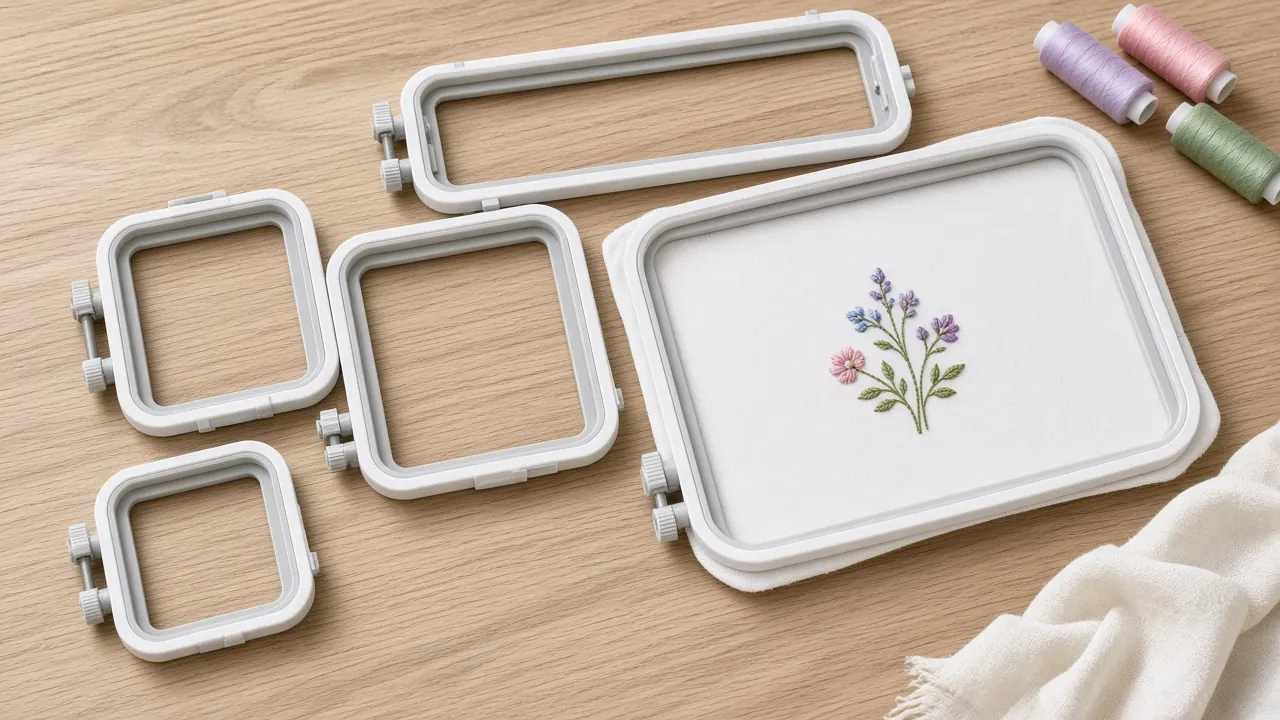
What "hoop size" really means
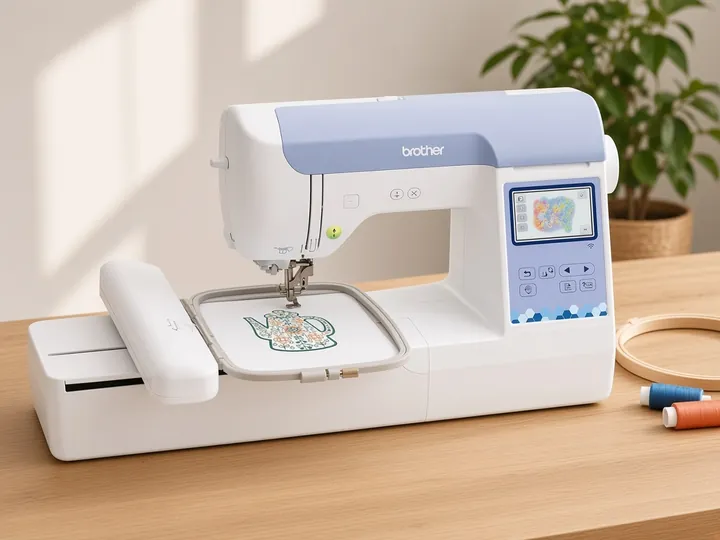
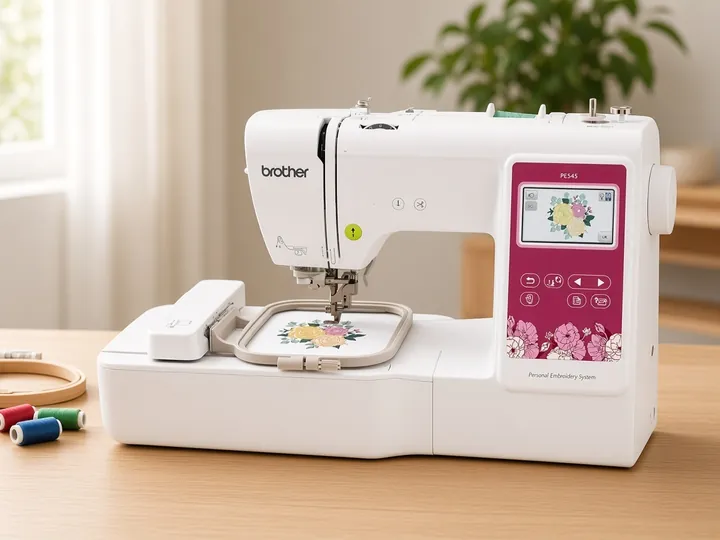
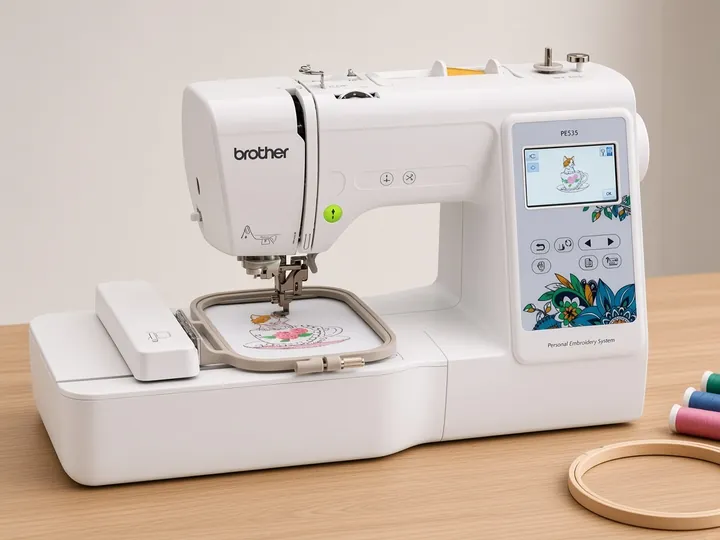
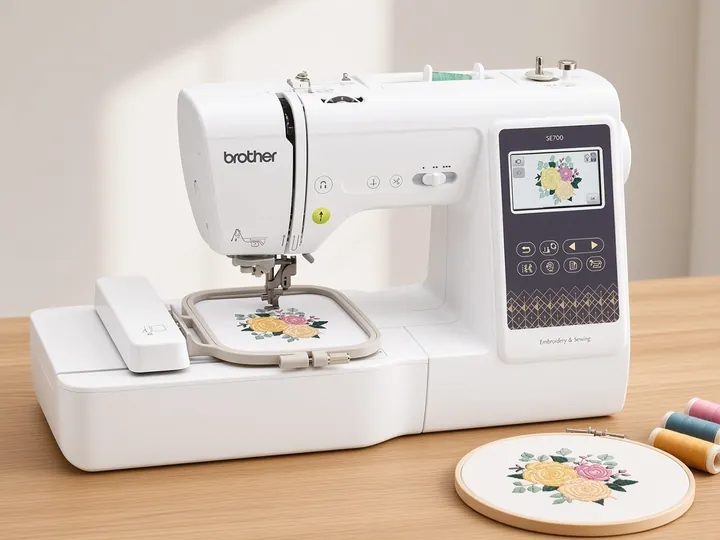
When a listing says "5x7 embroidery machine", it's describing the maximum stitch field: the largest area the machine can embroider without re-hooping. The plastic hoop itself is bigger than that, because it needs a frame around the fabric. Brother's 5" x 7" field, for example, is 130 x 180 mm.
Three things trip people up:
- Inches are rounded. A "4x4" field is 100 x 100 mm, which is 3.94". A "5x7" field of 130 x 180 mm is 5.1" x 7.1".
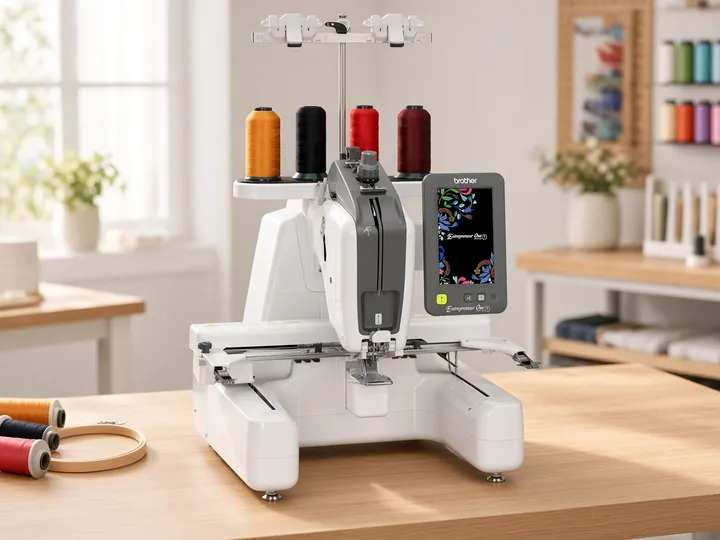
- Width and height get swapped. Brother lists the PR1X as 12" x 8" in one place and 8" x 12" in another. It's the same field. What matters is the short side and the long side, and you can usually rotate a design to fit.
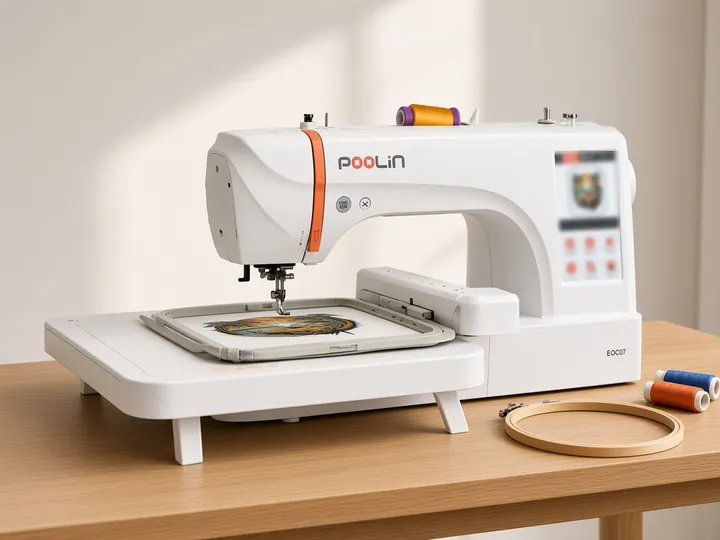
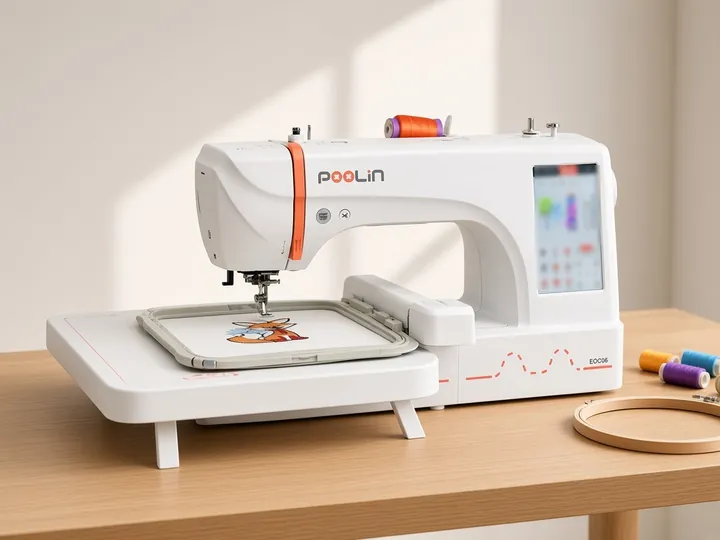
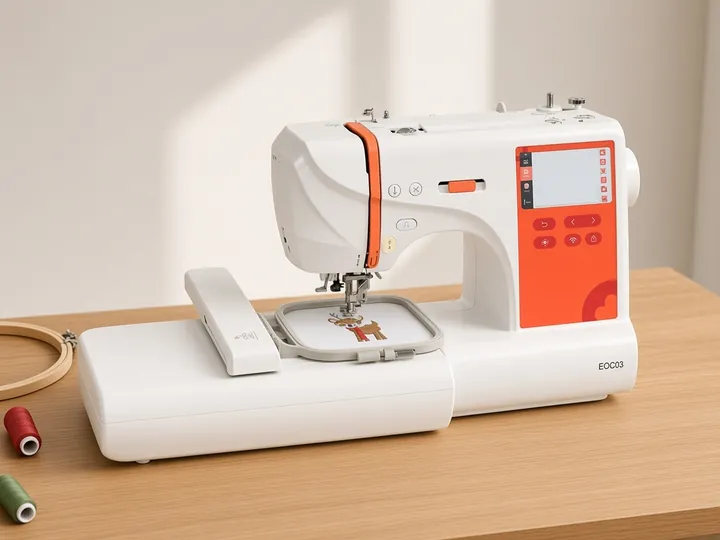
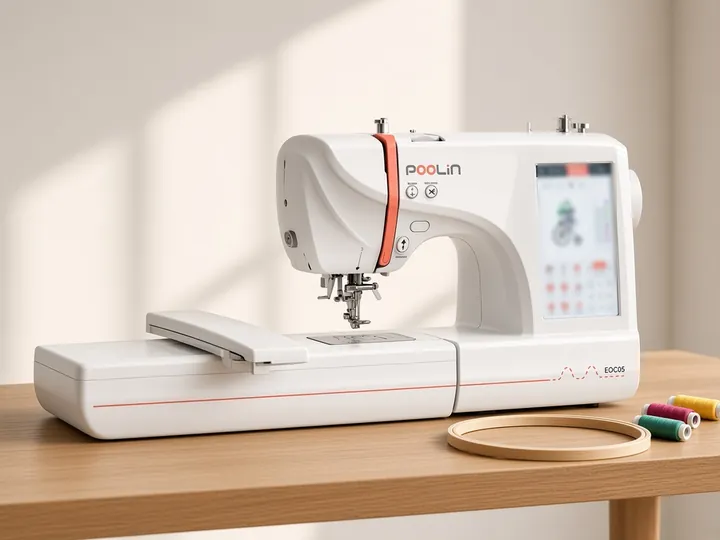
- Long and narrow isn't the same as big. A 10 x 23.5 cm field (Poolin EOC03/EOC05) has a long side of 9.25", but at 100 mm on the short side it can't fit a standard 5" x 7" design.
Standard hoop sizes and what they're for
| Name you'll see | Stitch field | Typical uses |
|---|---|---|
| 4" x 4" | 100 x 100 mm | Names, monograms, small motifs, kids' clothing |
| 5" x 7" | 130 x 180 mm | Left-chest logos with room to spare, tote bags, medium designs |
| 6" x 10" | 160 x 260 mm | Jacket backs (smaller), large quilt blocks, big lettering |
| 8" x 8" | 200 x 200 mm | Square quilt blocks, pillow fronts |
| 8" x 12" | 200 x 300 mm | Full jacket backs, large décor pieces |
| 8" x 14" | 200 x 360 mm | Long designs, combined layouts |
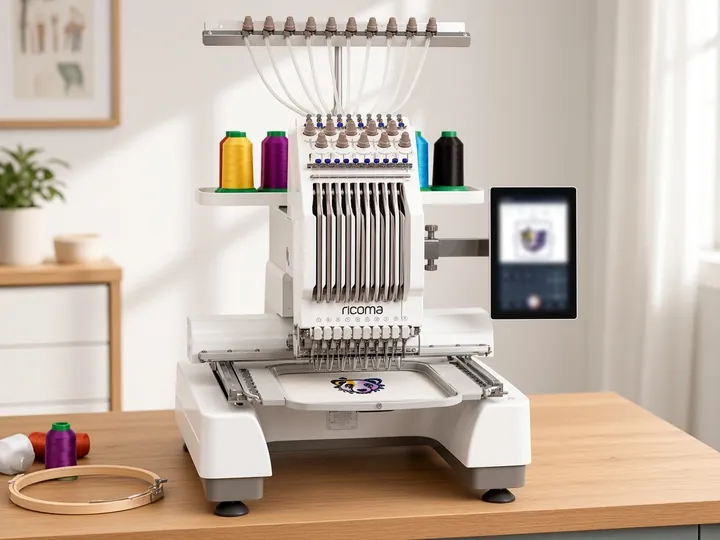
| 14" x 20" class | about 350 x 500 mm | Commercial multi-needle flat work |
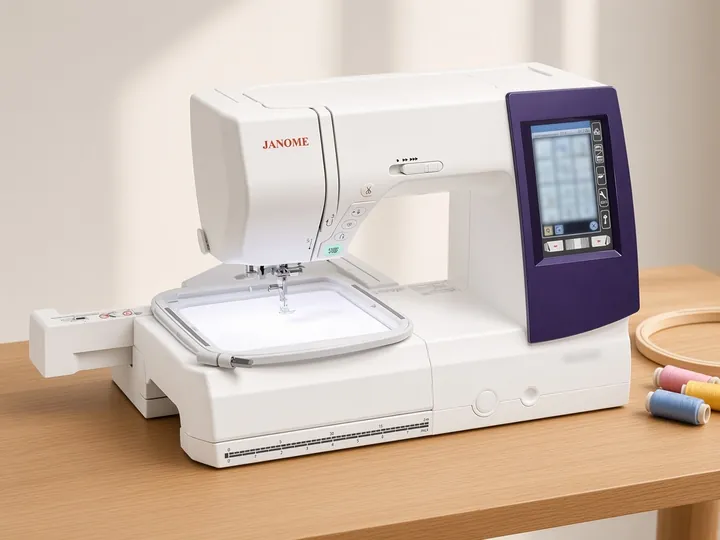
These are conventions, not rules. Machines from Janome, Poolin, Singer and the commercial brands use their own sizes, which is why our machine pages list every field in millimeters too.
How big are typical designs?
Design sizes vary by customer and garment, but these ranges are common starting points:
- Monograms and names on towels, napkins and baby items: often 2"–4" wide. A 4" x 4" field covers them.
- Left-chest logos on polos and work shirts: commonly around 3"–4" wide. They fit a 4" x 4" field, and a 5" x 7" field gives room for taller logos and easier hooping.
- Tote bags and pillow covers: often 5"–8". A 5" x 7" field is the practical minimum.
- Full jacket or hoodie backs: often 10"–12" wide or more. That calls for 8" x 12"-class fields, which mostly means pro and multi-needle machines (or splitting the design on a 6" x 10" machine).
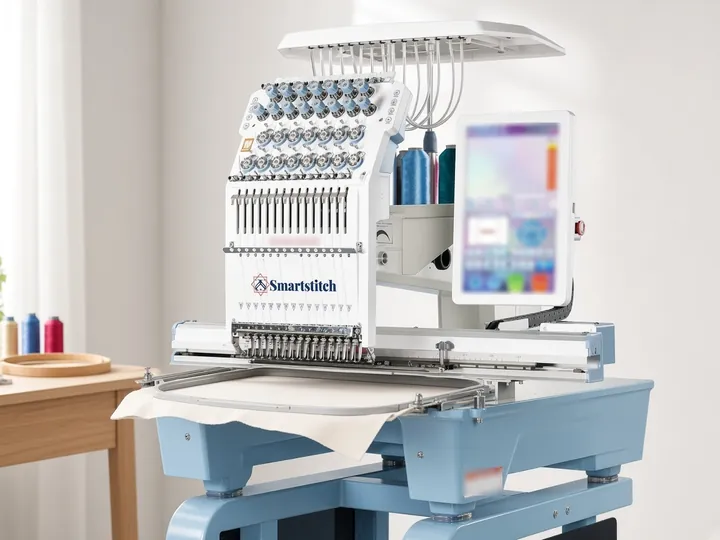
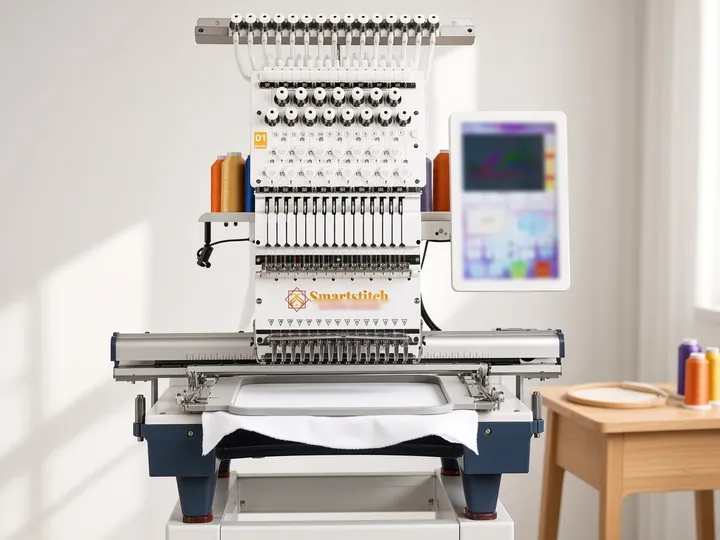
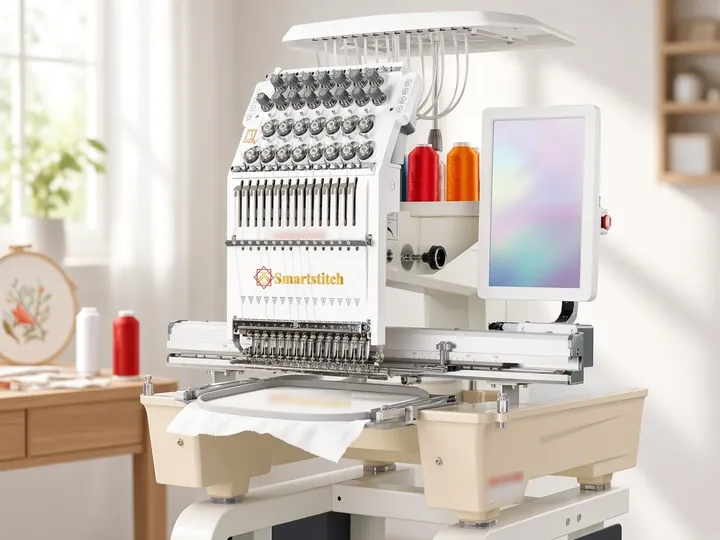
- Cap fronts: limited mostly by height. Smartstitch, for example, lists 75 mm (about 3") maximum cap embroidery height on most of its models.
Will my design fit? (checker)
Enter your design's width and height. We'll count how many machines in our database can stitch it in one hooping, allowing the design to be rotated.
Every machine's maximum field
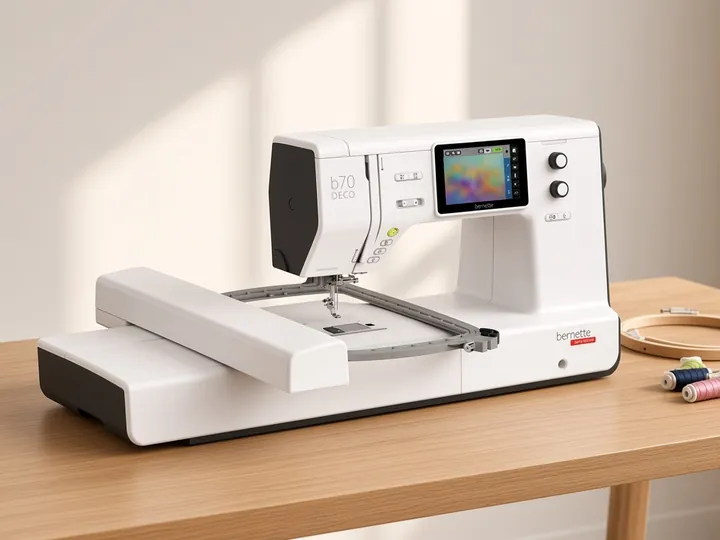
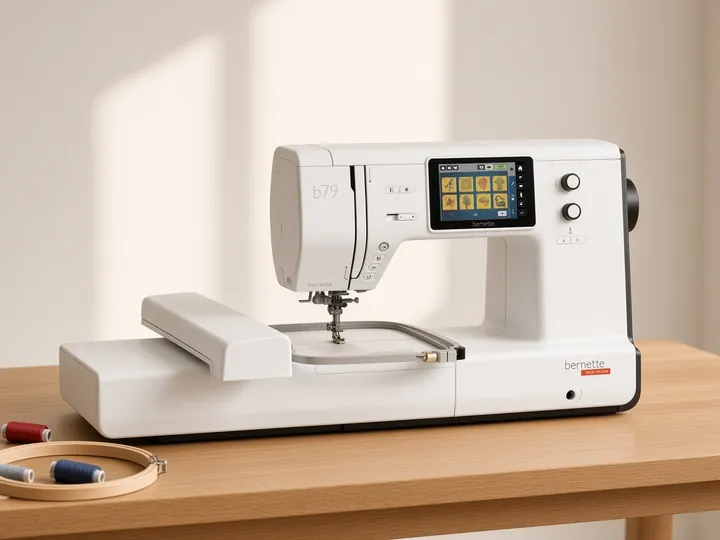
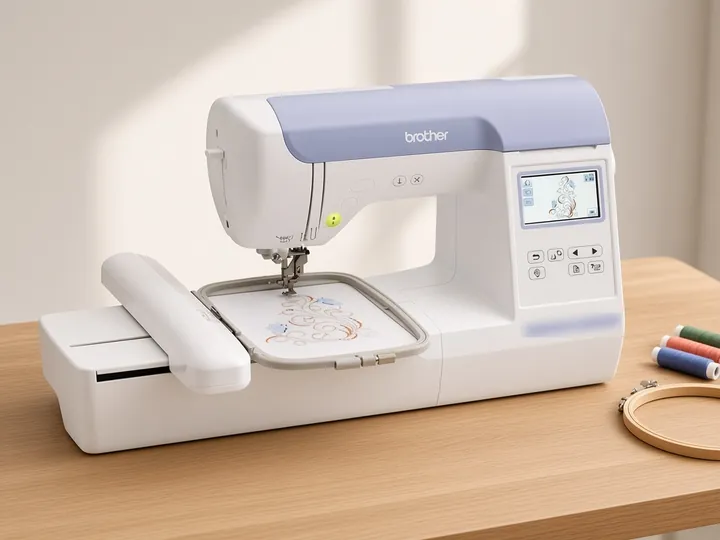
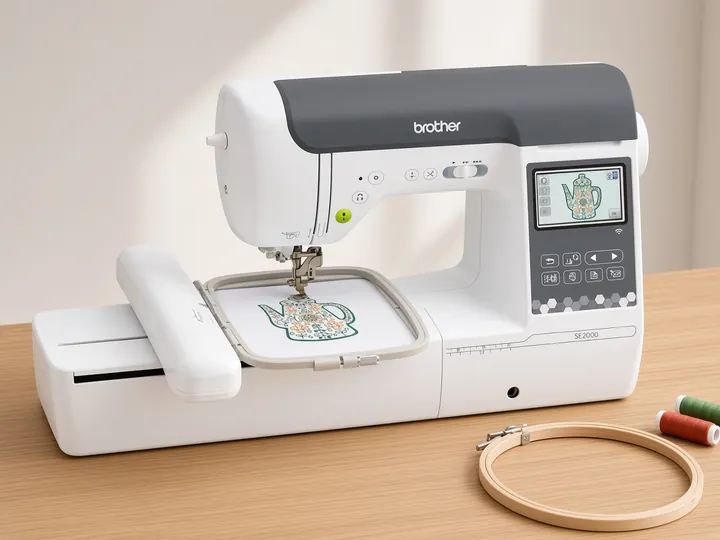
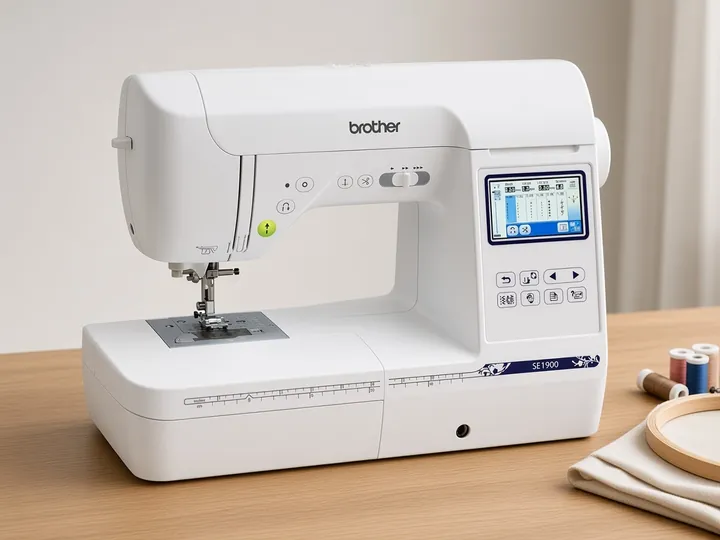
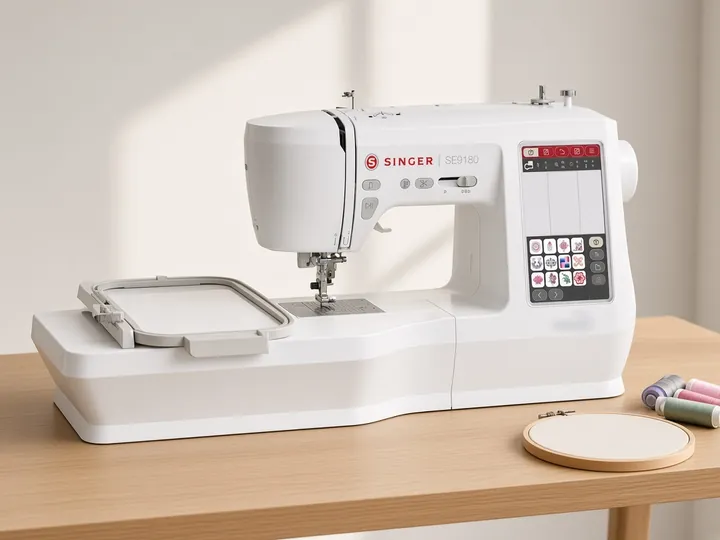
All 31 machines in our database, largest field first. "Fits standard" shows which of the common fields (4" x 4", 5" x 7", 6" x 10", 8" x 12") fit inside each machine's maximum, using the millimeter sizes above.
| Machine | Max field (as listed) | mm (long x short) | Relative area | Fits standard |
|---|---|---|---|---|
| 400 x 600 mm (15.7" x 23.6") | 600 x 400 | 4" x 4", 5" x 7", 6" x 10", 8" x 12" | ||
| 350 x 500 mm (13.8" x 19.7") | 500 x 350 | 4" x 4", 5" x 7", 6" x 10", 8" x 12" | ||
| 350 x 500 mm (13.8" x 19.7") | 500 x 350 | 4" x 4", 5" x 7", 6" x 10", 8" x 12" | ||
| 300 x 400 mm (11.8" x 15.7") | 400 x 300 | 4" x 4", 5" x 7", 6" x 10", 8" x 12" | ||
| 36 x 24 cm (14.2" x 9.4") | 360 x 240 | 4" x 4", 5" x 7", 6" x 10", 8" x 12" | ||
| 240 x 360 mm (9.4" x 14.2") | 360 x 240 | 4" x 4", 5" x 7", 6" x 10", 8" x 12" | ||
| 15" x 8.3" | 380 x 210 | 4" x 4", 5" x 7", 6" x 10", 8" x 12" | ||
| 20 x 38 cm (7.9" x 15") | 380 x 200 | 4" x 4", 5" x 7", 6" x 10", 8" x 12" | ||
| 7.9" x 14.2" | 360 x 200 | 4" x 4", 5" x 7", 6" x 10", 8" x 12" | ||
| 12.2" x 8.3" | 310 x 210 | 4" x 4", 5" x 7", 6" x 10", 8" x 12" | ||
| 8" x 12" | 300 x 200 | 4" x 4", 5" x 7", 6" x 10", 8" x 12" | ||
| 8" x 12" | 300 x 200 | 4" x 4", 5" x 7", 6" x 10", 8" x 12" | ||
| 7.9" x 11" | 280 x 200 | 4" x 4", 5" x 7", 6" x 10" | ||
| 20 x 28 cm (7.9" x 11") | 280 x 200 | 4" x 4", 5" x 7", 6" x 10" | ||
| 9.4" x 7.9" | 238 x 200 | 4" x 4", 5" x 7" | ||
| 10.2" x 6.3" (260 x 160 mm) | 260 x 160 | 4" x 4", 5" x 7", 6" x 10" | ||
| 10.2" x 6.3" (260 x 160 mm) | 260 x 160 | 4" x 4", 5" x 7", 6" x 10" | ||
| 8" x 8" | 200 x 200 | 4" x 4", 5" x 7" | ||
| 7.9" x 7.9" | 200 x 200 | 4" x 4", 5" x 7" | ||
| 6.7" x 7.9" | 200 x 170 | 4" x 4", 5" x 7" | ||
| 10 x 23.5 cm (3.9" x 9.25") | 235 x 100 | 4" x 4" | ||
| 10 x 23.5 cm (3.9" x 9.25") | 235 x 100 | 4" x 4" | ||
| 5" x 7" | 180 x 130 | 4" x 4", 5" x 7" | ||
| 5" x 7" | 180 x 130 | 4" x 4", 5" x 7" | ||
| 5" x 7" | 180 x 130 | 4" x 4", 5" x 7" | ||
| 5" x 7" | 180 x 130 | 4" x 4", 5" x 7" | ||
| 170 x 100 mm (6.7" x 3.9") | 170 x 100 | 4" x 4" | ||
| 4" x 4" | 100 x 100 | 4" x 4" | ||
| 4" x 4" | 100 x 100 | 4" x 4" | ||
| 4" x 4" | 100 x 100 | 4" x 4" | ||
| 4" x 4" | 100 x 100 | 4" x 4" |
Is a bigger hoop always better?
A bigger maximum field gives you more options, but you won't always want to use your largest hoop:
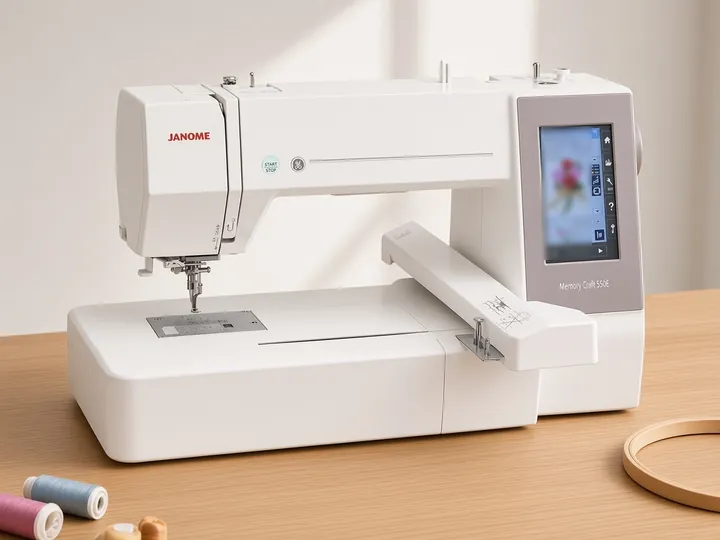
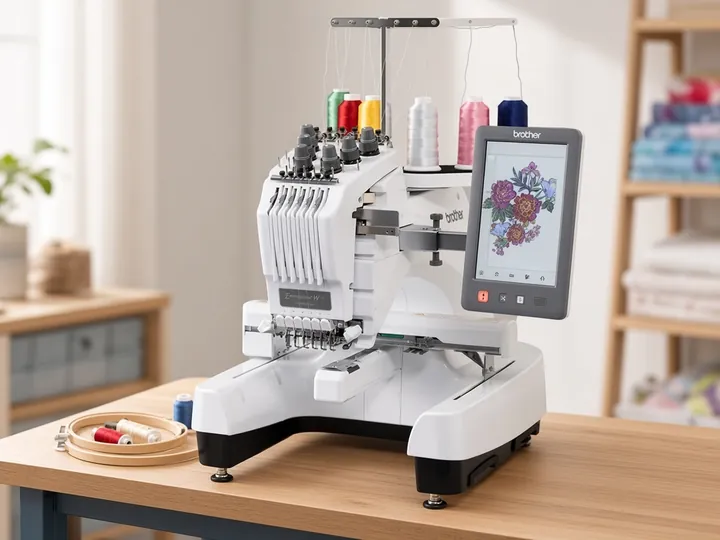
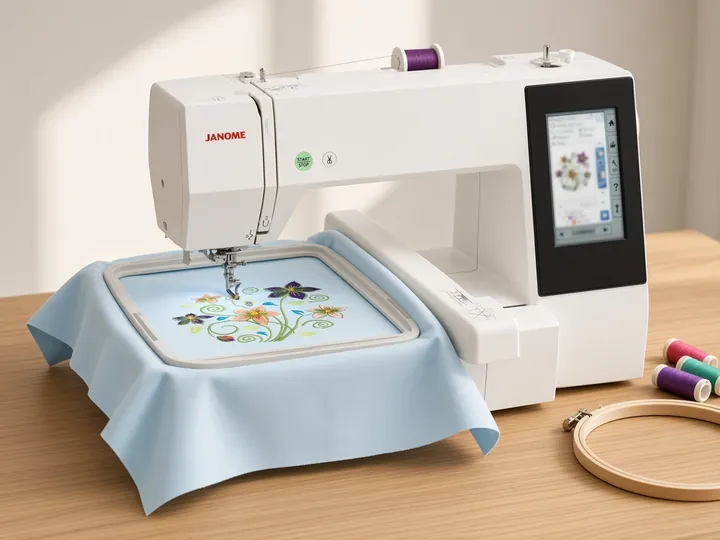
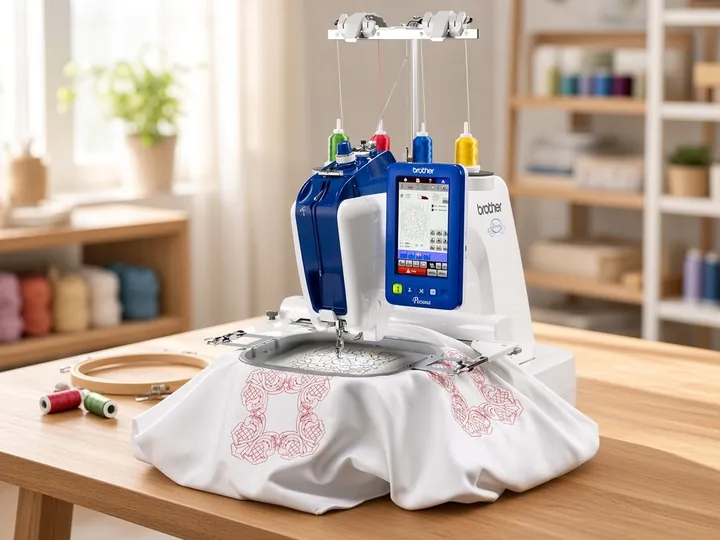
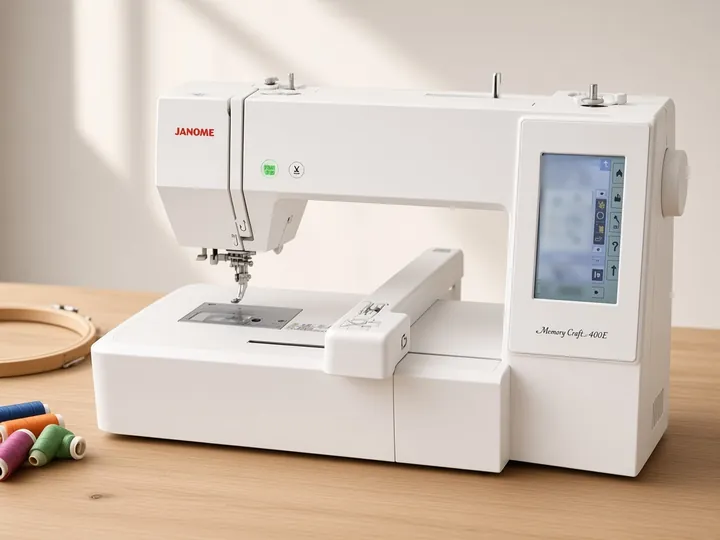
- Small designs stitch better in small hoops. The fabric is held tighter, which reduces shifting and puckering. That's why many machines include several hoops. Janome lists four with the Memory Craft 550E, and Brother lists six frames with the PRS100.
- Big hoops use more stabilizer per hooping.
- Big hoops can be clumsy on small items such as baby clothes or cuffs.
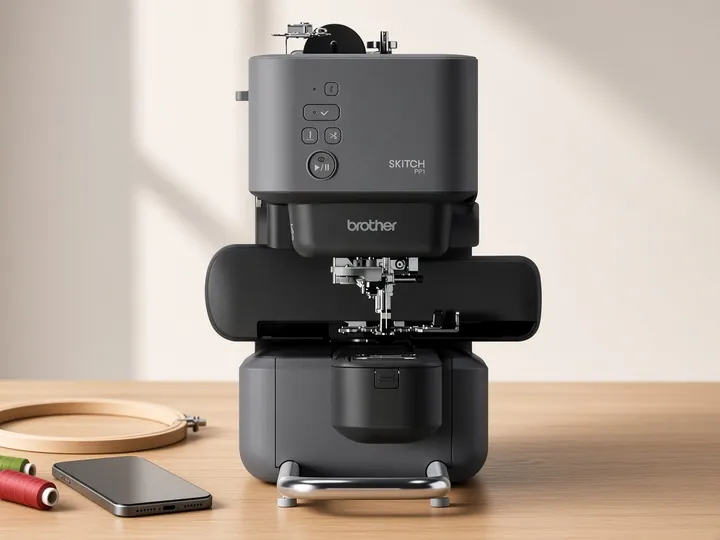
Magnetic hoops are a popular way to make hooping faster and to hold thick items. Brother's Skitch PP1 ships with a 4" x 4" magnetic frame, and Janome's RE36b hoop for the MC550E uses magnetic clips. Third-party magnetic hoops are sold for many machines; check compatibility carefully.
What if my design is bigger than the field?
You can split a large design into sections and stitch them one hooping at a time. Some machines and embroidery software help by splitting a design into hoop-sized sections. It works, but lining up sections takes care, and it's slow for production. If you'll regularly stitch large designs, buying the larger field is usually worth it.
Hoop size FAQ
Can I use a bigger hoop than my machine's maximum?
No. The maximum field is set by how far the machine can move the hoop. A larger third-party hoop won't increase the stitchable area unless the machine supports that hoop.
Is 5x7 the same on every brand?
Not exactly. Brother's 5" x 7" is 130 x 180 mm. Other brands use their own sizes, so compare millimeters.
What size do I need for left-chest logos?
A 4" x 4" field fits many left-chest logos; a 5" x 7" field gives more flexibility for taller designs and easier hooping.